Joyor S10-S-Z · Tyres & wheels
What pressure should my tyres be?
Read it off the tyre. Joyor does not publish one number for this model, and tyres differ.
Is this your problem?
- Scooter feels slow, heavy or wobbly
- Tyre looks flat at the bottom when you stand on it
- Getting pinch flats
Likely causes
Find the pressure range moulded into the sidewall of your tyre (in psi, bar or kPa). That is the range the tyre maker allows.
What you need
Tools
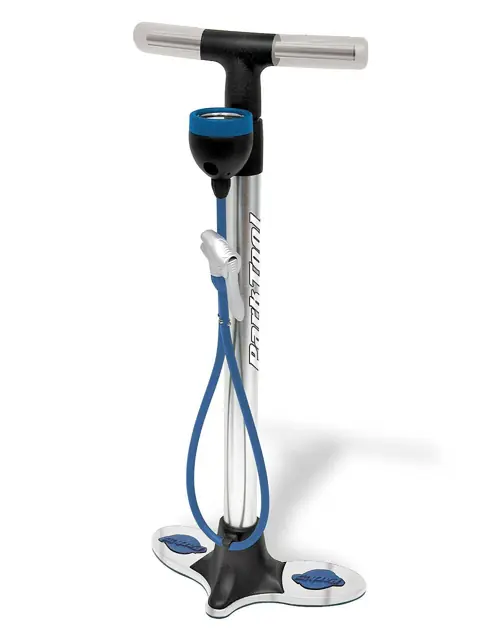 Example photo
A floor pump with a gauge. Scooters like this one normally have a car-style (Schrader) valve: check yours and make sure the pump head fits it.
Photo: Ewok Slayer, Public domain, resized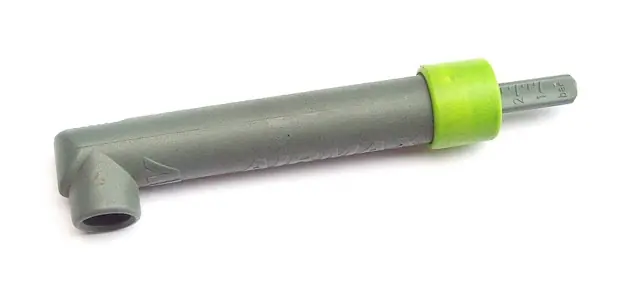 Example photo
Any gauge that fits your valve. The gauge on a cheap pump can be off by a lot, so a separate one is worth it.
Photo: Simon Speed, CC0, resizedPhotos show the kind of tool or part, not a specific product. We don’t sell anything and get nothing from any shop.
Step by step
Tap a step when it’s done to keep your place.
- Read the sidewall
Turn the wheel until you find small raised text with a pressure range, for example "max" or "min–max". Use a torch if it is dirty.
- Measure with a gauge
Check when the tyres are cold (before riding). Push the gauge straight onto the valve.
- Pump into the range
Heavier riders and road riding usually go towards the upper part of the range; off-road towards the lower part. Never go outside it.
- Check every week or two
Tubes lose a little air over time. A quick weekly check saves most flats.
Stay safe
- Never go above the maximum on the sidewall.
When to take it to a shop
This one is fine to do at home. If anything looks different from what’s described here, stop and ask a shop.