Joyor S10-S-Z · Brakes
Brake lever feels soft or goes to the bar
A spongy lever on hydraulic brakes usually means air in the line or worn pads. This is a safety fix.
Is this your problem?
- Lever pulls much further than before
- Lever feels spongy, or firmer after pumping it a few times
- Brake grips weakly
Likely causes
Look at the pads (see the worn-pads guide). Look for any wet or oily spot on the brake parts.
What you need
Tools
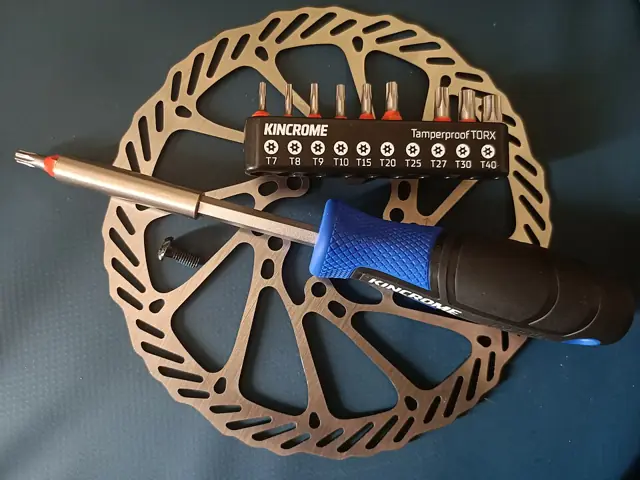 Example photo
A Torx set (T10–T30 covers most scooters). Brake disc bolts are often Torx; check the head shape before you buy.
Photo: JaredMcKenzie, CC0, resized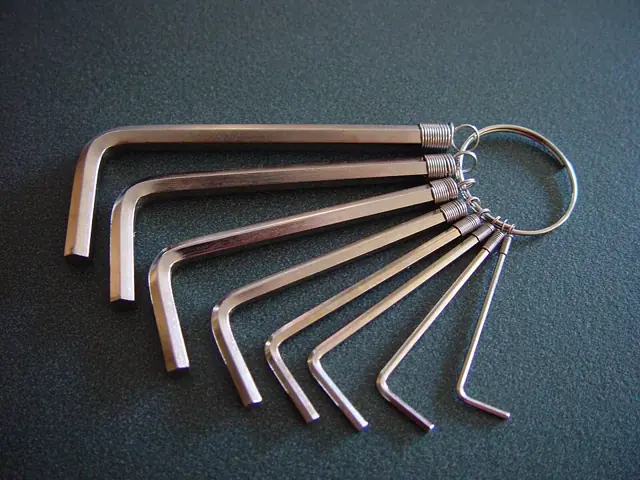 Example photo
A metric set, roughly 2 mm to 8 mm. Long-arm keys reach the recessed bolts on the stem and deck.
Photo: Leon Brooks, Public domain, resized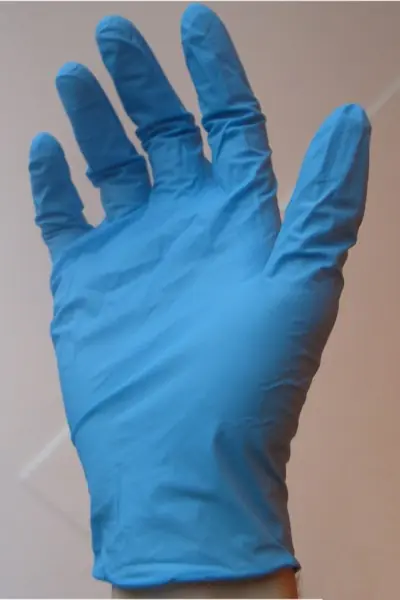 Example photo
Keep skin oil off the brake parts, and brake fluid off your skin.
Photo: unknown, Public domain, resized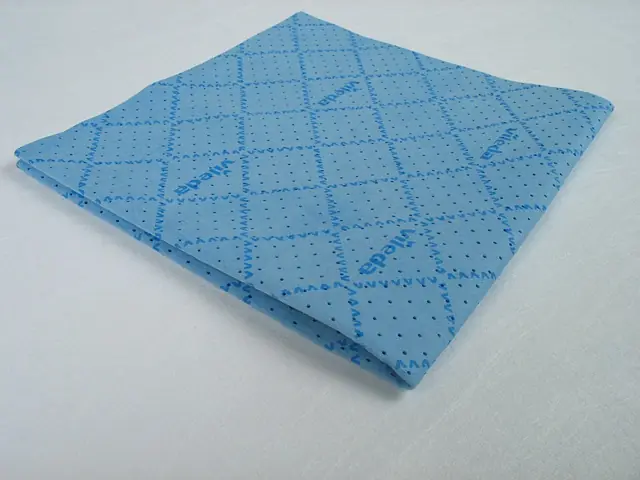 Example photo
A clean microfibre cloth or paper towel. Never one that has had oil or polish on it for brake work.
Photo: Polyesterchen, Public domain, resized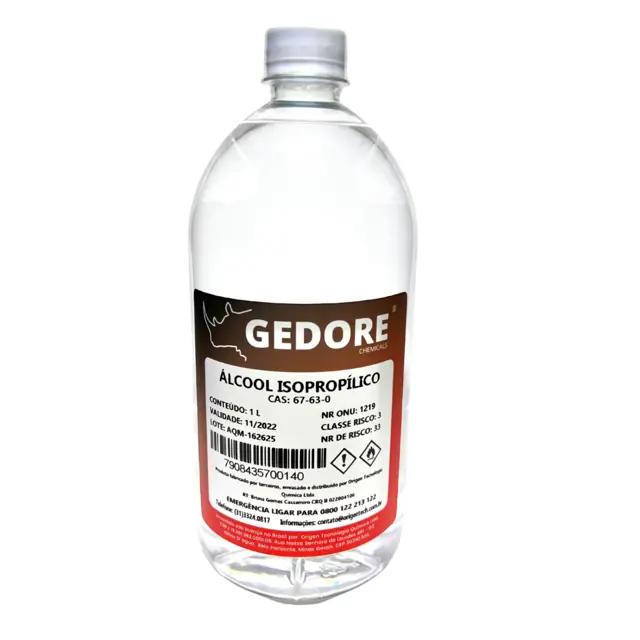 Example photo
90% or stronger. Cleans oil off brake discs and dries without leaving anything behind. Not the same as rubbing alcohol with added oils.
Photo: João Carlos Ávila, CC BY-SA 4.0, resizedParts
 Example photo
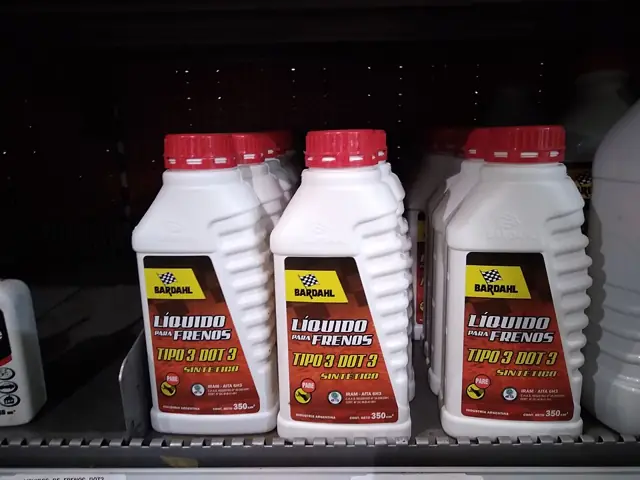
Only the type written on your brake (lever reservoir cap or caliper): DOT fluid or mineral oil. The two never mix; the wrong one ruins the seals. The photo shows a DOT fluid as an example.
Photo: Just a Man, CC BY 4.0, resized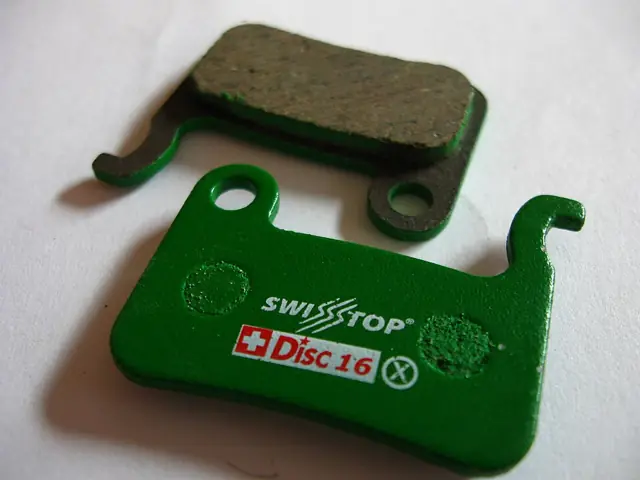 Example photo
Pads are shaped to the caliper. Order ones listed for the Joyor S10-S-Z, or take an old pad to a shop to match the shape.
Photo: PetarM, CC BY-SA 3.0, resizedPhotos show the kind of tool or part, not a specific product. We don’t sell anything and get nothing from any shop.
Step by step
Tap a step when it’s done to keep your place.
- Check the pads first
Worn pads make the lever travel further. If they are thin, replace them and test again before doing anything else.
- Look for leaks
Wipe the caliper, hose joints and lever clean with a dry cloth, squeeze the lever hard a few times and look again. Any fresh wet oil means a leak: that is a shop job.
- Find out which fluid your brake uses
It is written on the lever reservoir cap or on the caliper: DOT (a number like DOT 4) or mineral oil. Joyor does not publish this for the S10-S-Z, so read it off your brake.
DOT fluid and mineral oil must never be mixed. The wrong one destroys the seals.
- Bleed the brake, or have it bled
Bleeding pushes fresh fluid through to drive the air out. It needs a bleed kit made for your brake’s fluid and fittings. If you have never done it, this is the time to let a shop do it: it is cheap, quick for them, and your stopping depends on it.
- Test standing still, then slowly
The lever should feel firm and stop at the same point every time. Then test at walking speed.
Stay safe
- Do not ride with a lever that reaches the handlebar.
- Brake fluid (DOT) damages paint and skin. Wear gloves, wipe spills immediately.
- Never get fluid or grease on the pads or disc. Oily pads have to be replaced.
When to take it to a shop
Any leak, any doubt about the fluid type, and bleeding if you have not done it before.